
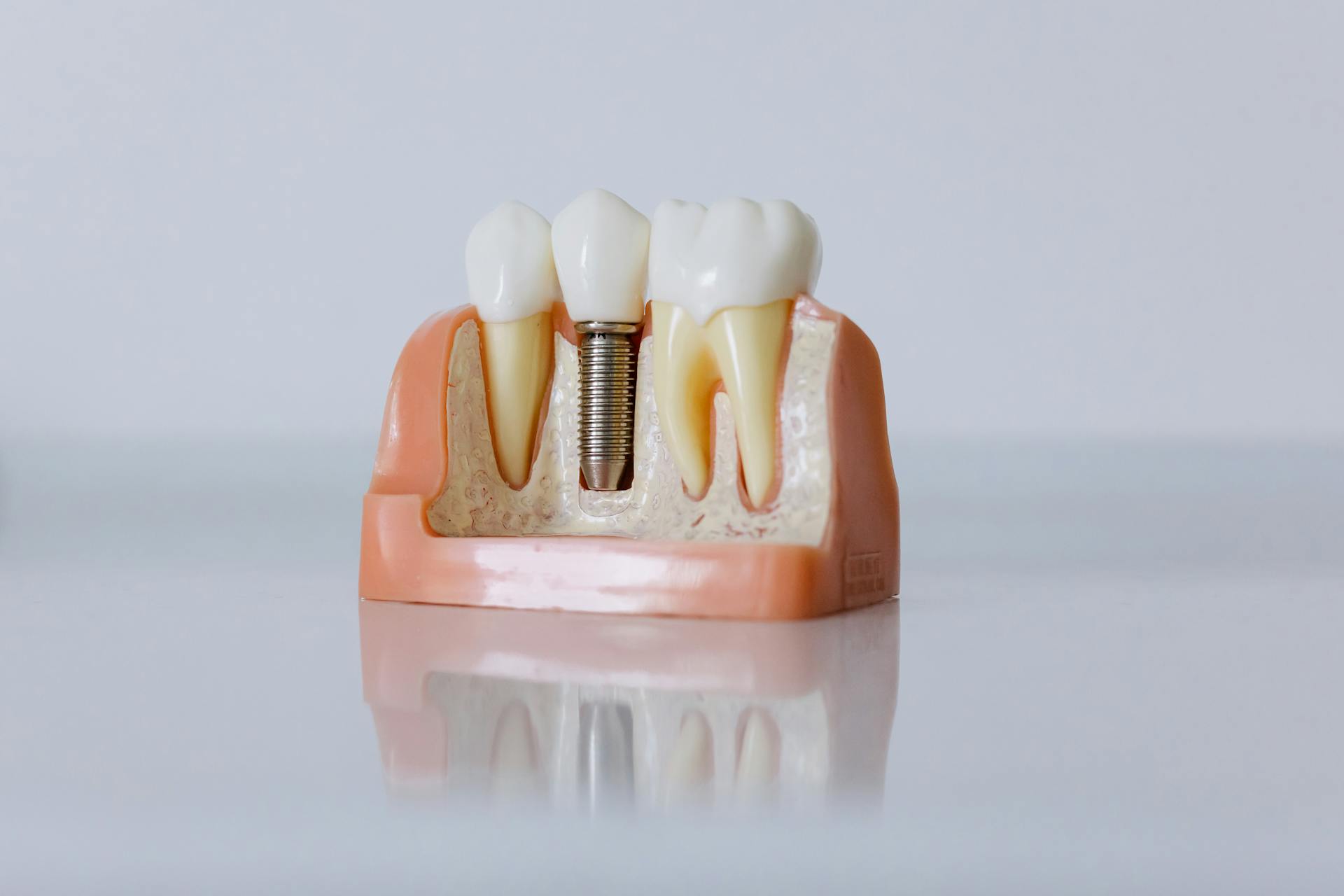
Dental Implants and Gut Health: The Hidden Connection You Never Knew
When you think about dental implants, your first thought is probably about improving your smile, chewing function, or maybe even preventing bone loss. But what if we told you your dental implants could also be affecting your gut health? As strange as it sounds, there’s a growing body of research suggesting that oral health and gut health are more closely connected than most people realize. If you’ve had or are considering getting dental implants, understanding this hidden connection could help you take better care of your overall health.
The Mouth-Gut Axis: Why Oral Health Matters
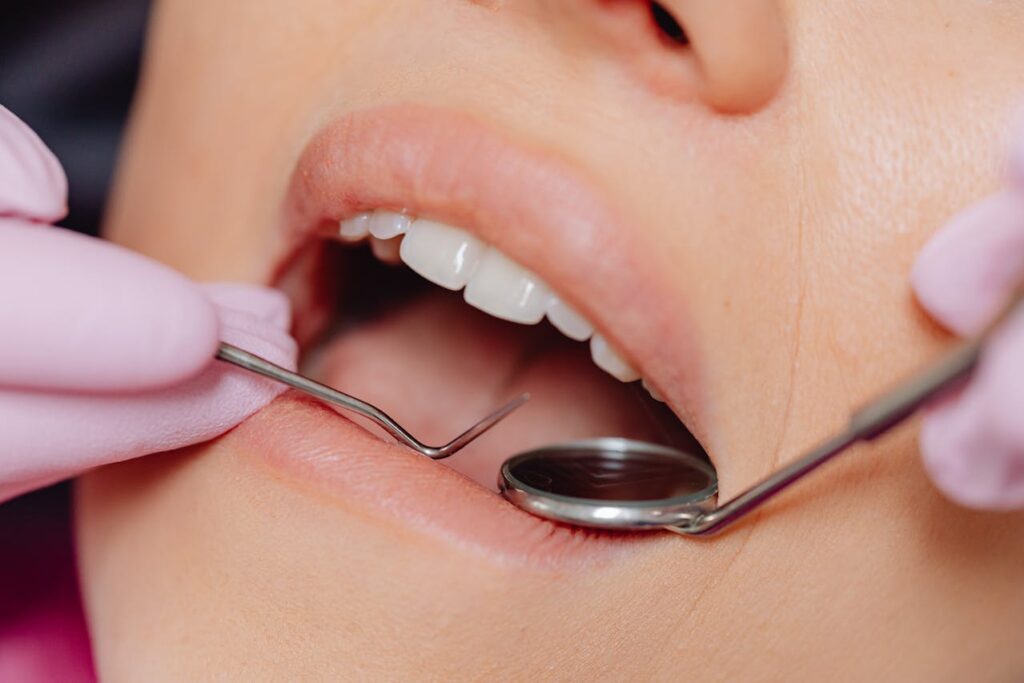 Your mouth is the entry point to your digestive system, and it plays a significant role in what happens further down the line. Harmful bacteria in the mouth can travel to the gut, contributing to inflammation and imbalance in your microbiome. When you have missing teeth or oral infections, you may chew less effectively, leading to poor digestion and added strain on your gut. Dental implants restore proper function, allowing for better breakdown of food and promoting healthier digestion from the very start.
Improved Chewing Means Better Digestion
One of the biggest, yet most overlooked, benefits of dental implants is that they let you chew your food properly. Digestion starts in the mouth—not the stomach. When food isn’t broken down adequately, your digestive system has to work harder, which can cause bloating, discomfort, and even nutrient deficiencies. With the Dental Implants in Bexley, patients report improved chewing efficiency, which directly supports the mechanical digestion of food and can even help ease some digestive symptoms over time.
Oral Bacteria and Your Gut Microbiome
You’ve probably heard about how gut bacteria play a huge role in your health, but oral bacteria matter too. Imbalances in the oral microbiome, especially in those with untreated dental issues, can contribute to systemic inflammation and leaky gut syndrome. Poorly maintained implants can harbor harmful bacteria if not cleaned correctly, which may negatively affect your gut health. On the flip side, healthy implants that are well cared for help maintain oral microbial balance, which can support a healthier gut environment.
Inflammation: The Common Link
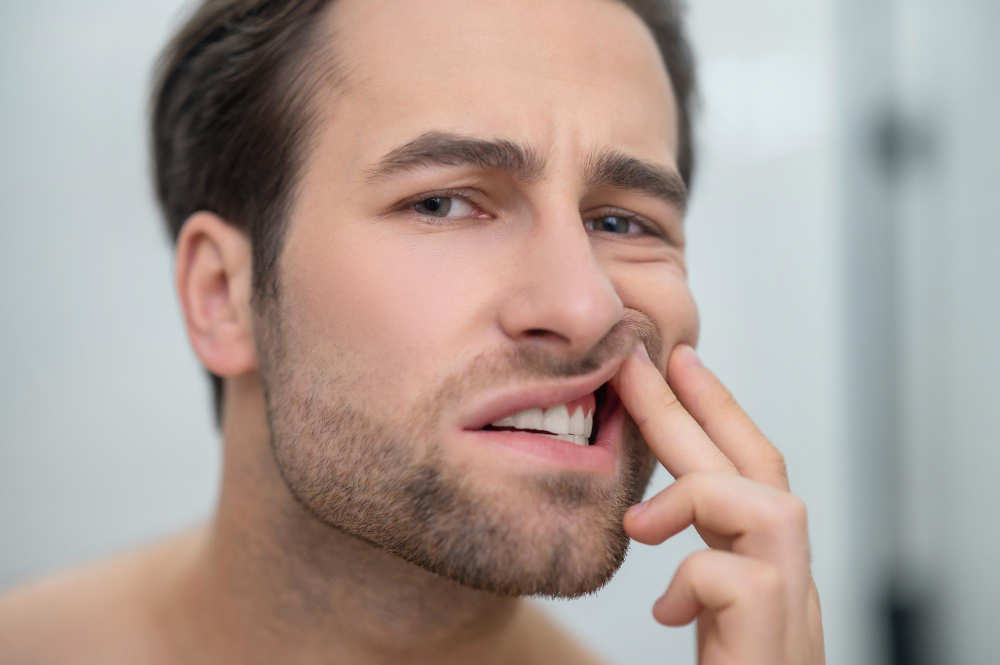
Both gum disease and gut disorders like IBS or Crohn’s are marked by inflammation. Scientists are beginning to understand how chronic inflammation in the mouth—especially around failing or poorly placed implants—can act as a trigger for inflammation throughout the body, including in the gut. Proper placement and care of dental implants can reduce inflammation and, by extension, support a healthier immune response and digestive function.
Nutrition Absorption Starts with Oral Health
Missing or painful teeth can make people avoid certain healthy foods, especially fibrous vegetables, fruits, and lean meats. This dietary limitation can lead to nutrient deficiencies that further compromise gut health. Dental implants allow you to eat a more balanced and varied diet, which supports both a healthy microbiome and improved nutrient absorption. Over time, this can lead to enhanced energy levels, stronger immunity, and improved overall well-being.
The Psychological Connection: Confidence and Eating Habits
 When people are self-conscious about missing teeth, they may avoid social situations or eating in public. This emotional stress can negatively impact digestion and gut health by increasing cortisol levels. Dental implants not only restore function but also help people feel more confident, leading to healthier eating patterns and reduced stress—both of which benefit your digestive system.
While it might seem like your mouth and gut are worlds apart, they’re more connected than you think. Dental implants do more than just enhance your smile—they can play a vital role in supporting gut health by improving chewing efficiency, reducing inflammation, and promoting better eating habits. If you’re looking to invest in your health, don’t overlook the power of a strong and healthy smile. Your gut may thank you for it.…
 One of the most important reasons to take care of your dental health is that it can help reduce the risk of disease. Gum disease, for example, has been linked to several serious health conditions, such as heart disease and stroke. By keeping your gums healthy, you can help reduce your risk of these and other diseases. Many people have suffered from gum disease at one time or another, so it is important to be aware of the symptoms and to see a dentist as soon as possible if you think you may have it. According to experts, people with gum disease are twice as likely to suffer from heart disease.
 Lastly, dental health is essential for maintaining a good smile. Everyone wants to have a beautiful smile, and taking care of your teeth is the best way to achieve this. You can help keep your teeth looking their best by brushing and flossing regularly. Aside from that, you should also see a dentist regularly for checkups and cleanings. This way, you can be sure that your teeth are healthy and that they look their best.
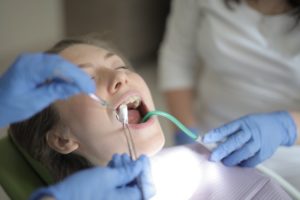 For a long time, it was thought that as long as you brushed and flossed your teeth, you didn’t need to see a dentist. We now know that seeing a dentist regularly is essential for maintaining good oral health. Most dental insurance plans cover two visits to the dentist per year. Regular checkups allow your dentist to catch any problems early before they become more serious.
 Since most people brush their teeth in the morning and at night, it’s easy to forget to do it twice a day. But brushing your teeth is one of the most important things you can do for your oral health. So set a reminder on your phone or put a note on your bathroom mirror to help you remember. It’s also important to brush for at least two minutes each time.
 Another step you can take at home to improve your oral health is to floss daily. Brushing alone only cleans about 60% of your tooth surfaces, so it’s essential to supplement your brushing with daily flossing. Flossing removes plaque and bacteria from in between your teeth and along the gum line, places that a toothbrush can’t reach.