

The Biggest Errors People Make After Professional Teeth Whitening
Are you considering a brighter smile through professional treatment? Many people invest in whitening procedures but then fall into habits that quickly undo their results. If you’ve undergone teeth whitening Manchester or are planning to, it’s important to know that the aftercare is just as necessary as the procedure itself. Teeth are especially vulnerable right after treatment, and even small missteps can shorten the longevity of your results. From food and drink choices to oral hygiene practices, every detail counts. Unfortunately, many underestimate the importance of proper maintenance. This article explores the biggest errors people make after professional whitening, helping you understand what to avoid so your smile remains bright for longer.
Consuming Stain-Causing Foods and Drinks Too Soon
One of the most common post-whitening mistakes is rushing back to coffee, red wine, tea, or dark sauces. Right after a whitening session, your teeth are especially porous and more vulnerable to staining. Patients often underestimate how quickly pigments from food and drinks can settle back into enamel. Even small indulgences like berries or soda can have an immediate impact. Waiting at least 48 hours before reintroducing these items is a smart move if you want your smile to stay bright.
Forgetting About Oral Hygiene
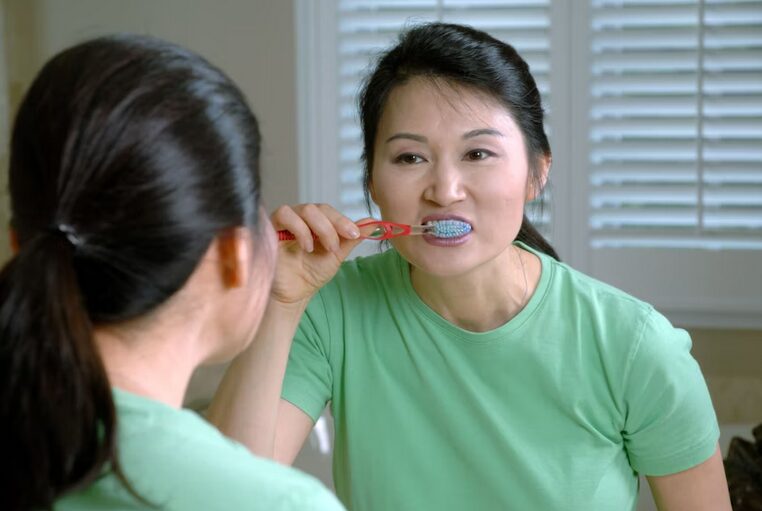
Whitening doesn’t eliminate the need for an intense daily dental routine. Some people mistakenly assume their newly polished teeth don’t require the same care as before. Neglecting to floss and brush regularly allows plaque and tartar buildup, which can discolor teeth quickly. Using a soft-bristled brush, fluoride toothpaste, and keeping up with flossing are essential habits that protect your whitening investment. Even simple rinsing with water after meals can help maintain brightness.
Overusing Whitening Products at Home
Many patients combine professional treatments with frequent use of at-home whitening strips or gels. While the goal may be to extend the whiteness, excessive use of these products can backfire. Over-whitening leads to increased tooth sensitivity, enamel weakening, and uneven coloring. Instead of reaching for additional treatments, consult your dentist on safe maintenance strategies. Professional advice ensures your teeth remain healthy while looking bright.
Ignoring Sensitivity Management
It’s not unusual for patients to experience mild sensitivity after whitening. The mistake comes when this is overlooked. Some continue using abrasive toothpaste or consume very hot and cold foods right after treatment, which worsens the discomfort. Using toothpaste specifically made for sensitive teeth and avoiding extreme temperatures in food and drink helps minimize irritation. Proper care in this stage reduces discomfort and contributes to a smoother recovery.
Smoking or Vaping Right After Treatment
Nicotine and smoke are among the fastest ways to stain freshly whitened teeth. Lighting up a cigarette or using a vape pen shortly after treatment almost guarantees discoloration will return quickly. Beyond staining, tobacco products also increase the risk of gum disease and bad breath. Patients serious about maintaining whitening results should consider this as motivation to reduce or eliminate smoking.
Maintaining a brighter smile after professional whitening depends largely on avoiding preventable errors. The five most important factors are: steering clear of stain-causing foods and drinks immediately after treatment, sticking to strong oral hygiene habits, avoiding overuse of whitening products at home, managing sensitivity with care, and staying away from smoking or vaping. Each of these areas plays a critical role in extending the results of your treatment.…
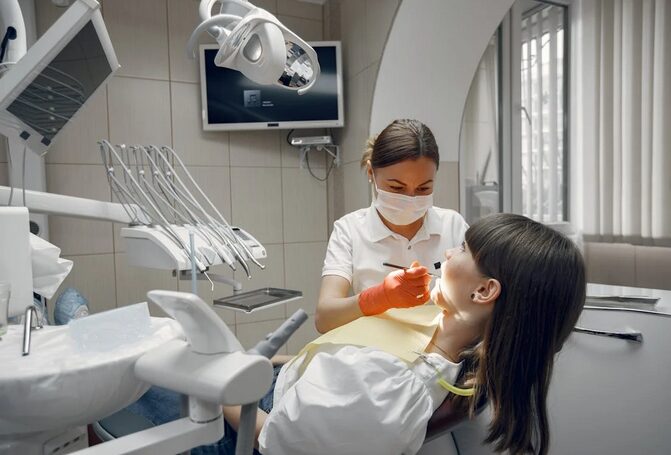
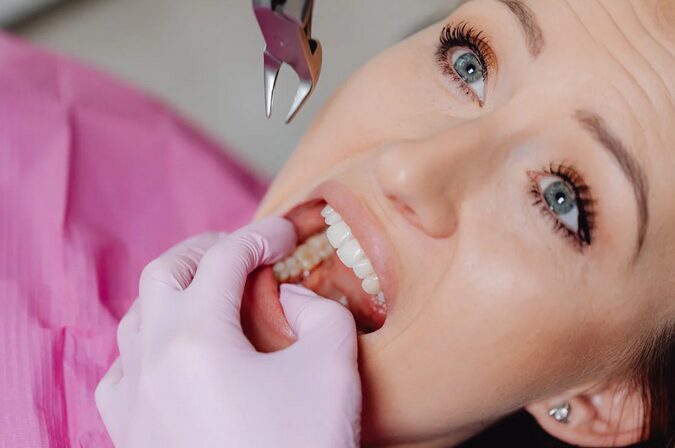
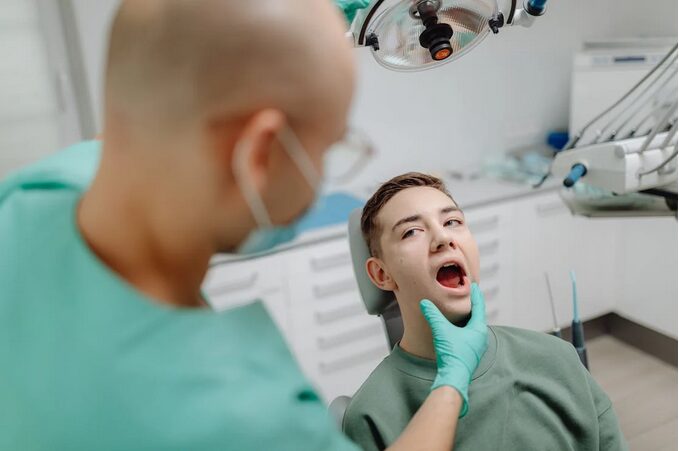
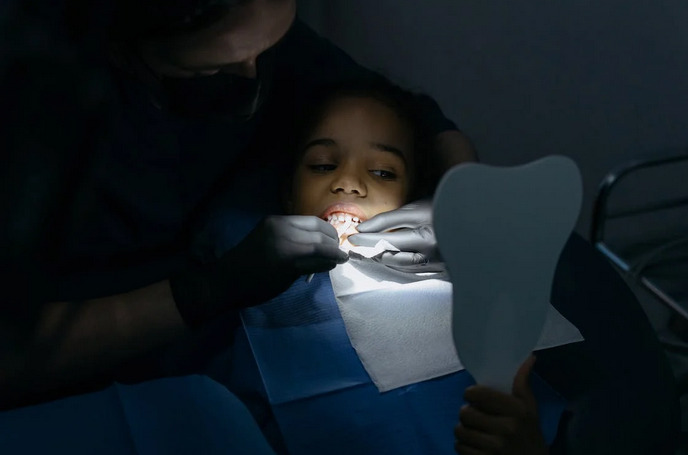
 Tooth decay, also known as cavities or dental caries, is a common dental problem that affects people of all ages. It occurs when bacteria in the mouth convert sugars and carbohydrates into acids that erode the enamel of teeth. This can cause tiny holes or pits on the teeth’ surface. If left untreated, tooth decay can progress to deeper layers of the tooth, causing sensitivity, pain, and even abscesses. The best way to prevent tooth decay is by practicing good oral hygiene habits like brushing twice a day with fluoride toothpaste and flossing daily. In addition to regular brushing and flossing, it’s important to limit sugary foods and drinks in your diet. When you do indulge in sweets or acidic beverages like soda or fruit juice, make sure to rinse your mouth with water afterward.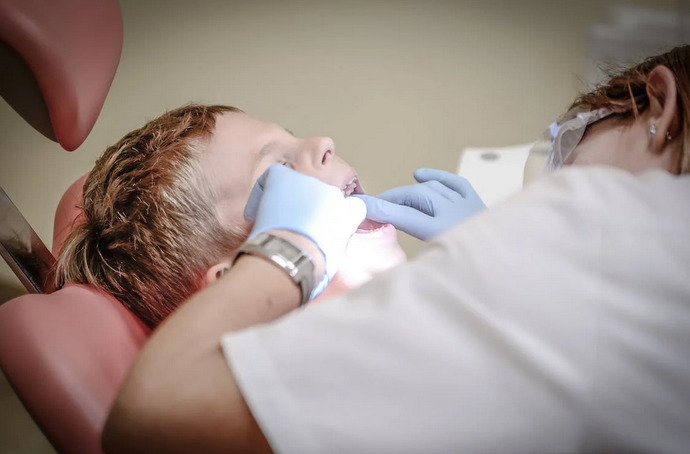
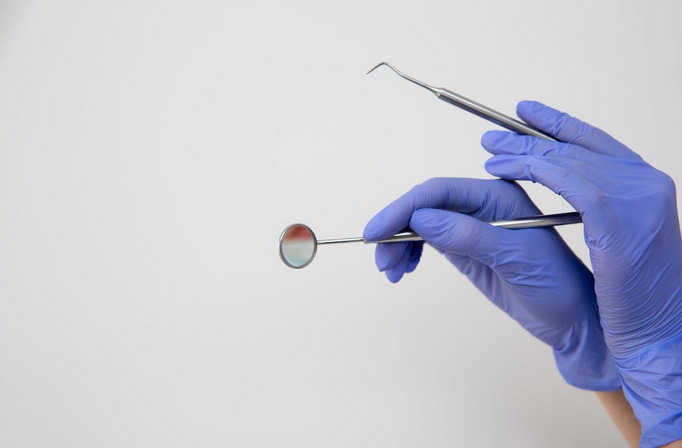
 One of the most important reasons to take care of your dental health is that it can help reduce the risk of disease. Gum disease, for example, has been linked to several serious health conditions, such as heart disease and stroke. By keeping your gums healthy, you can help reduce your risk of these and other diseases. Many people have suffered from gum disease at one time or another, so it is important to be aware of the symptoms and to see a dentist as soon as possible if you think you may have it. According to experts, people with gum disease are twice as likely to suffer from heart disease.
 Lastly, dental health is essential for maintaining a good smile. Everyone wants to have a beautiful smile, and taking care of your teeth is the best way to achieve this. You can help keep your teeth looking their best by brushing and flossing regularly. Aside from that, you should also see a dentist regularly for checkups and cleanings. This way, you can be sure that your teeth are healthy and that they look their best.